Which Online Casino Payment Methods Suit Canadian Players?


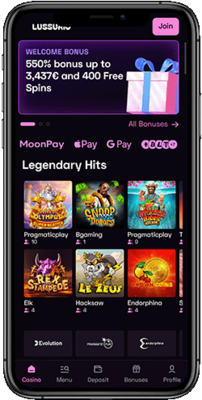
Choosing among online casino payment methods is less about having the longest list and more about matching a transaction route to your currency, verification status and withdrawal plans. Canadian-focused information for lussurio casino online identifies CAD support alongside cards, Interac, e-wallets, bank transfers, vouchers and cryptocurrency, but availability can vary by account and location. Before depositing, compare the full journey: how money enters the account, whether the same route can receive a payout, what documents may be requested and which limits apply. That approach can prevent avoidable delays and unexpected conversion costs.
What should you compare before choosing a payment route?
The first distinction is between a deposit method and a complete deposit-and-withdrawal method. A card, voucher or alternative payment service may be visible in the cashier for funding but unavailable for withdrawals. Some operators instead require a payout to the method previously used for the deposit, while others direct the player to a bank transfer or e-wallet. The cashier shown after login is therefore more useful than a generic list published elsewhere. Check the available options in CAD and read the method-specific conditions before committing funds.
Cost is the next consideration. A payment provider, card issuer or bank may apply a processing fee, foreign-exchange charge or cash-advance treatment even when the casino does not advertise a fee. This matters particularly when the account is held in CAD but the underlying transaction is processed in another currency. E-wallets can be convenient but may impose their own withdrawal or currency rules. Cryptocurrency introduces exchange-rate movement and network fees, so the amount received can differ from the amount sent even when the transaction itself succeeds.
Finally, assess the practical fit. Interac or a domestic banking route may feel familiar to Canadian users, while an e-wallet can separate casino transactions from a primary bank account and may process transfers differently. A voucher can be useful for a controlled deposit but may not provide a direct cash-out path. Do not choose solely because a logo appears on a payment page. Confirm the minimum, maximum, processing stage, ownership requirements and whether a pending bonus changes the withdrawal conditions.
How does a deposit usually move from approval to balance?
A deposit normally begins with selecting a method, entering the amount and completing any authentication requested by the provider. Card payments may require an additional security confirmation; an e-wallet may open a separate authorisation screen; a bank route can involve an account or transfer reference. Use payment details in your own name and keep the confirmation. A mismatched name or incomplete transaction record can create questions later, particularly when the operator reviews payment ownership before releasing funds.
Canadian-focused listings describe a general deposit minimum of about CA$15, although the displayed threshold can differ by method, currency and account. That figure should not be treated as a universal rule. The cashier’s current terms take priority, and a promotional offer may require a higher qualifying amount. If a deposit is credited in a different currency, review the conversion before accepting it. A small discrepancy between the amount expected and the amount credited can otherwise be mistaken for a payment failure.
Keep a simple record of the date, amount, method and transaction reference. If the balance does not update, avoid sending repeated deposits immediately: duplicate attempts can complicate reconciliation and may create multiple pending authorisations with a bank or wallet provider. Check whether the payment is pending on the provider’s side, then contact support with the reference rather than sharing a password or full payment credentials. An approved deposit also does not guarantee that the same method will be eligible for a later withdrawal.
Why can a withdrawal take longer than the initial payment?
Deposits and withdrawals are not mirror images. A deposit may be authorised automatically, while a withdrawal can trigger identity, anti-fraud and payment-ownership checks. The available information describes verification that may require government-issued identification, proof of address and evidence that the deposit or withdrawal method belongs to the account holder. Reviews are listed as taking up to 72 hours in some circumstances, but additional checks or a game-provider review can extend the overall timetable.
Indicative information for this operator describes a casino-side review of up to 72 hours, followed by method-dependent delivery. Cryptocurrency is listed at roughly 0–24 hours, cards and e-wallets at about 24–48 hours, and bank transfers at approximately three to five business days. These are estimates, not guaranteed service levels. Weekends, intermediary banks, blockchain congestion, incomplete documents and compliance questions can all affect the final arrival date.
Withdrawals may also be subject to a minimum of about CA$35 in Canada-focused listings, while an indicative standard ceiling is around CA$700 per request and CA$1,400 per day. Other published figures use USD and differ, so the currency and cashier display matter. Before requesting a payout, confirm that wagering or deposit-use conditions are satisfied, the chosen method is eligible and no account review is outstanding. For general consumer guidance about financial services and payment decisions, consult the Financial Consumer Agency of Canada.
Which options make sense for different priorities?
Interac, cards and bank transfers are familiar choices for people who prefer established banking channels. Their main advantage is straightforward funding from an existing Canadian financial relationship. Their limitations can include card restrictions, bank processing time and the possibility that a card is accepted for deposits but not payouts. Bank transfers may be slower, yet they can suit a larger withdrawal when the cashier supports them and the account details have been verified.
Skrill, Neteller and MiFinity can be useful when speed, separation from a bank account or an electronic transaction record matters. They require a separate provider account and may apply their own verification, fees and currency policies. Rapid Transfer and similar banking services can sit between a direct bank transfer and a wallet, but availability depends on the bank and the cashier profile. Paysafecard and Neosurf offer spending control because funds are loaded in advance, although voucher-based deposits commonly have more limited withdrawal functionality.
Cryptocurrency offers a different trade-off rather than a universally better solution. The listed options include Bitcoin, Ethereum, Litecoin, Dogecoin, stablecoins and other digital assets. Transfer speed may be relatively quick, but network fees, confirmation requirements and price volatility affect the amount received. Send only the exact supported asset and network shown by the cashier; an incompatible route may not be recoverable. For any method, begin with a modest amount, confirm how a payout works and retain transaction evidence until the balance and withdrawal are fully settled.
What should you check before requesting a payout?
Start with account readiness. Use accurate personal details, complete any requested verification and make sure the payment method is registered to you. If the account has duplicate registrations, changed identity information or unresolved document questions, a payout may pause while support reviews the situation. Do not upload altered documents or send sensitive information through an unverified channel. Follow the operator’s stated document instructions and ask support which file types and details are required.
Next, inspect the balance itself. Promotional funds may have wagering requirements, excluded games or contribution restrictions, and a withdrawal can affect or forfeit an active bonus under its terms. The source information also indicates that deposits may need to be played through before withdrawal even when no bonus is involved. Read the applicable offer and cashier conditions rather than relying on a headline promotion. If the balance combines cash and bonus funds, ask which portion is currently withdrawable before submitting the request.
Finally, save the request details and monitor the status without repeatedly cancelling and resubmitting. Note the amount, date, method and reference number, then allow the stated review period to pass before escalating. If a delay exceeds the published estimate, contact support in writing and provide the relevant reference, not your full card number or password. A clear record helps distinguish a pending operator review from a bank, wallet or blockchain delay and makes the issue easier to investigate.
Payment questions Canadian players often ask
Can every listed method be used for withdrawals?
No. Some methods are deposit-only, and availability can depend on the country, bank, currency and individual cashier profile. Before depositing, check whether the same route supports payouts or whether a bank transfer or e-wallet is required. The applicable cashier terms should be treated as the current authority.
Does using CAD eliminate currency charges?
No. CAD support can reduce the need to convert the account balance, but a card issuer, bank, wallet or cryptocurrency network may still process a transaction differently. Review the displayed currency, exchange rate and provider fees before confirming. Keep transaction records so unexpected differences can be identified.
What is the safest response to a delayed withdrawal?
Check the withdrawal status, verification requests and method conditions first. Keep the reference number and contact support through the published channel, avoiding repeated requests or sharing passwords. If documents are requested, provide only the required information through the designated secure process and allow extra time for compliance review.
