Smart Homes: Integrating Technology into Architectural Design

Smart Homes: Integrating Technology into Architectural Design

The ancient world boasts some of the most remarkable architectural feats in human history. These structures, built millennia ago, continue to awe and inspire with their grandeur, ingenuity, and enduring beauty. From monumental tombs to grand arenas, these timeless wonders reflect the engineering prowess and cultural significance of their respective civilizations. This blog post explores some of the most iconic architectural marvels of the ancient world and delves into their historical and cultural contexts.

The Great Pyramid of Giza: A Monument to Eternity

One of the most iconic symbols of ancient Egypt, the Great Pyramid of Giza stands as a testament to the engineering brilliance of the ancient Egyptians. Constructed during the reign of Pharaoh Khufu around 2580–2560 BC, it remains one of the Seven Wonders of the Ancient World.

  • Engineering Feats: The pyramid, originally standing at 146.6 meters, was the tallest man-made structure in the world for over 3,800 years. Its precise alignment with the cardinal points and the meticulous placement of its 2.3 million limestone blocks showcase the advanced engineering skills of its builders.
  • Cultural Significance: Serving as a tomb for Pharaoh Khufu, the pyramid symbolizes the Egyptians’ beliefs in the afterlife and their quest for immortality. It also reflects the centralized power and organizational capabilities of the ancient Egyptian state.

The Parthenon: A Symbol of Ancient Greek Civilization

Perched atop the Acropolis in Athens, the Parthenon epitomizes the architectural and artistic achievements of ancient Greece. Built between 447 and 432 BC, this temple dedicated to Athena, the city’s patron goddess, exemplifies classical Greek architecture.

  • Architectural Features: The Parthenon is renowned for its Doric columns, proportionate design, and intricate sculptures. The use of entasis—a slight curvature in the columns—demonstrates the Greeks’ understanding of optical illusions and their quest for visual perfection.
  • Cultural Impact: Beyond its religious significance, the Parthenon symbolizes the political and cultural dominance of Athens during its Golden Age. It also represents the values of democracy, art, and philosophy that were central to ancient Greek civilization.

The Colosseum: Rome’s Grand Arena

The Colosseum, also known as the Flavian Amphitheatre, is one of ancient Rome’s most impressive structures. Completed in 80 AD, it served as a grand arena for gladiatorial contests, public spectacles, and mock sea battles.

  • Structural Innovation: The Colosseum’s elliptical design, capable of seating up to 80,000 spectators, features a complex system of vaults and arches that provide strength and stability. Its use of concrete and travertine stone highlights the Romans’ innovative construction techniques.
  • Social Significance: As a venue for entertainment and social gatherings, the Colosseum played a central role in Roman public life. It also reflects the political strategy of the emperors who used such spectacles to gain favor with the populace and demonstrate their power and generosity.

Machu Picchu: The Lost City of the Incas

Nestled high in the Andes Mountains, Machu Picchu is a testament to the architectural and engineering ingenuity of the Inca civilization. Built in the 15th century, this ancient city remains one of the most well-preserved archaeological sites in the world.

  • Ingenious Design: Machu Picchu’s terraced layout, stone constructions, and sophisticated irrigation systems illustrate the Incas’ mastery of engineering in challenging mountainous terrain. The site’s alignment with astronomical events also showcases their advanced knowledge of astronomy.
  • Cultural Legacy: As a royal estate and religious site, Machu Picchu holds significant cultural and spiritual importance. Its rediscovery in the early 20th century has since become a symbol of Inca heritage and a major tourist destination, highlighting the enduring legacy of the Incas.

The Great Wall of China: A Monument of Defense

Stretching over 13,000 miles, the Great Wall of China is one of the most ambitious construction projects in history. Built between the 7th century BC and the 17th century AD, it served as a defensive fortification against invasions.

  • Construction Techniques: The Great Wall was built using various materials, including earth, wood, bricks, and stone, reflecting the diverse landscapes it traverses. Its watchtowers, barracks, and signal stations exemplify ancient military architecture.
  • Historical Significance: Beyond its military purpose, the Great Wall symbolizes the unification and strength of China’s various dynasties. It also reflects the cultural exchange and trade facilitated by the Silk Road, which ran along its length.

Conclusion

The architectural marvels of the ancient world are more than just grand structures; they are embodiments of the ingenuity, cultural values, and historical contexts of their respective civilizations. From the Great Pyramid of Giza’s monumental precision to the Colosseum’s social and political role in Rome, these timeless wonders continue to inspire and educate. As we marvel at these ancient feats, we gain a deeper appreciation for the enduring human spirit and its quest for greatness across the ages.
Architectural-Marvels-of-the-Ancient-World

Architectural Marvels of the Ancient World: Timeless Wonders

The ancient world is replete with architectural marvels that showcase the ingenuity, creativity, and craftsmanship of early civilizations. These structures have withstood the test of time, continuing to inspire awe and admiration for their grandeur and engineering brilliance. From the towering pyramids of Egypt to the majestic temples of Greece, these timeless wonders offer a glimpse into the architectural prowess of our ancestors.

The Great Pyramid of Giza: A Testament to Engineering Prowess

The Great Pyramid of Giza, one of the Seven Wonders of the Ancient World, stands as a testament to the architectural and engineering capabilities of ancient Egypt. Constructed around 2580–2560 BC during the reign of Pharaoh Khufu, this colossal structure was originally 146.6 meters (481 feet) tall and remained the tallest man-made structure in the world for over 3,800 years.

  • Construction Techniques: The Great Pyramid was built using massive limestone and granite blocks, some weighing as much as 80 tons. The precise alignment with the cardinal points and the meticulous craftsmanship reflect the advanced knowledge of geometry and astronomy possessed by the ancient Egyptians.
  • Purpose and Significance: The pyramid served as a tomb for Pharaoh Khufu and symbolized the pharaoh’s divine status and his journey to the afterlife. It remains an enduring symbol of ancient Egyptian civilization and its architectural ingenuity.

The Parthenon: The Pinnacle of Greek Architecture

The Parthenon, located on the Acropolis of Athens, is a quintessential example of ancient Greek architecture. Constructed between 447 and 432 BC during the height of the Athenian Empire, the Parthenon was dedicated to Athena, the goddess of wisdom and warfare.

  • Architectural Features: The Parthenon is renowned for its Doric columns, proportional design, and intricate sculptures. The optical refinements, such as the slight curvature of the columns and the steps, counteract visual distortions and enhance the temple’s aesthetic appeal.
  • Cultural Significance: The Parthenon symbolized the power, wealth, and cultural achievements of Athens. It also served as a treasury and a place of worship, reflecting the religious and political life of the ancient Greeks.

The Colosseum: An Icon of Roman Engineering

The Colosseum, also known as the Flavian Amphitheatre, is an iconic symbol of ancient Rome’s architectural and engineering prowess. Completed in AD 80, the Colosseum could accommodate up to 50,000 spectators and was used for gladiatorial contests, public spectacles, and mock sea battles.

  • Structural Innovation: The Colosseum featured a complex system of vaults and arches, allowing for a large and stable structure. The use of concrete and the amphitheater’s elliptical design facilitated efficient crowd management and optimal viewing angles for spectators.
  • Enduring Legacy: The Colosseum remains one of the most visited historical landmarks in the world, symbolizing the grandeur and sophistication of ancient Roman civilization. Its influence is evident in the design of modern stadiums and amphitheaters.

The Great Wall of China: A Monument of Endurance

The Great Wall of China, a series of fortifications built to protect Chinese states from invasions, stretches over 13,000 miles and dates back to the 7th century BC. The most well-known sections were constructed during the Ming Dynasty (1368–1644).

  • Construction and Materials: The Great Wall was built using various materials, including earth, wood, bricks, and stone, depending on the local availability. Its construction involved millions of laborers and spanned several dynasties.
  • Strategic Importance: The wall served as a formidable defense system, featuring watchtowers, barracks, and signaling capabilities. It also facilitated trade and communication along the Silk Road, contributing to the cultural and economic development of ancient China.

The Temple of Karnak: A Glimpse into Ancient Egyptian Rituals

The Temple of Karnak, located in Luxor, Egypt, is one of the largest religious complexes in the world. Construction began around 2055 BC and continued for over 2,000 years, with contributions from numerous pharaohs.

  • Architectural Grandeur: The temple complex includes massive pylons, hypostyle halls, and obelisks. The Great Hypostyle Hall, with its 134 colossal columns, is a masterpiece of ancient Egyptian architecture and engineering.
  • Religious and Cultural Hub: Karnak served as a major religious center dedicated to the god Amun-Ra. It was a site of pilgrimage, rituals, and ceremonies, reflecting the spiritual and cultural life of ancient Egypt.

Conclusion

The architectural marvels of the ancient world stand as enduring symbols of human ingenuity, creativity, and determination. These timeless wonders not only reflect the technological advancements of their time but also offer valuable insights into the cultural, religious, and social dynamics of ancient civilizations.

The Evolution of Modern Architecture

Modern architecture has undergone significant transformations over the past century, evolving from the functionalist principles of the Bauhaus movement to the diverse and innovative designs seen in contemporary styles today. This journey reflects changes in technology, society, and artistic expression, shaping the built environment in profound ways. This blog post explores key milestones in the evolution of modern architecture, highlighting influential movements, iconic buildings, and their impact on urban landscapes.

The Bauhaus Movement: Functionalism and Minimalism

The Bauhaus movement, founded by Walter Gropius in 1919, is often considered the birthplace of modern architecture. Rooted in the belief that form should follow function, Bauhaus architects emphasized simplicity, efficiency, and the integration of art, craft, and technology. Key features of Bauhaus architecture include:

  • Geometric Shapes: Emphasis on clean lines, simple geometric forms, and the absence of ornamentation.
  • Functional Design: Prioritizing functionality and practicality over decorative elements.
  • Integration of Art and Technology: Combining artistic expression with industrial techniques and materials.

Iconic examples of Bauhaus architecture include the Bauhaus Dessau building by Walter Gropius and the Barcelona Pavilion by Ludwig Mies van der Rohe.

Post-War Modernism: International Style and Brutalism

After World War II, modern architecture evolved into the International Style and Brutalism, characterized by an emphasis on volume over mass, the use of lightweight, mass-produced materials, and the rejection of unnecessary ornamentation.

International Style: This style, popularized by architects like Le Corbusier and Richard Neutra, featured open floor plans, large glass windows, and the use of steel and concrete. Notable examples include the United Nations Headquarters in New York and the Seagram Building by Mies van der Rohe.

Brutalism: Emerging in the 1950s and 1960s, Brutalism was marked by its use of raw concrete, massive forms, and an emphasis on structural honesty. Prominent buildings include the Barbican Estate in London and the Boston City Hall.

Postmodernism: A Reaction to Modernist Principles

In the late 20th century, Postmodernism emerged as a reaction against the austerity and perceived sterility of modernist architecture. Postmodern architects embraced historical references, playful forms, and eclecticism.

  • Historical References: Incorporating elements from classical architecture, such as columns, pediments, and arches.
  • Playful Forms: Using whimsical shapes, bright colors, and unusual materials.
  • Eclecticism: Combining different styles and elements from various periods and cultures.

Iconic postmodern buildings include the Portland Building by Michael Graves and the Piazza d’Italia by Charles Moore.

Contemporary Architecture: Innovation and Sustainability

Contemporary architecture is characterized by a diverse range of styles and a focus on innovation, sustainability, and technology. Architects today experiment with new materials, forms, and building techniques to create visually striking and environmentally responsible designs.

  • Parametric Design: Using algorithms and computational tools to create complex, organic forms. Examples include the Beijing National Stadium (Bird’s Nest) by Herzog & de Meuron.
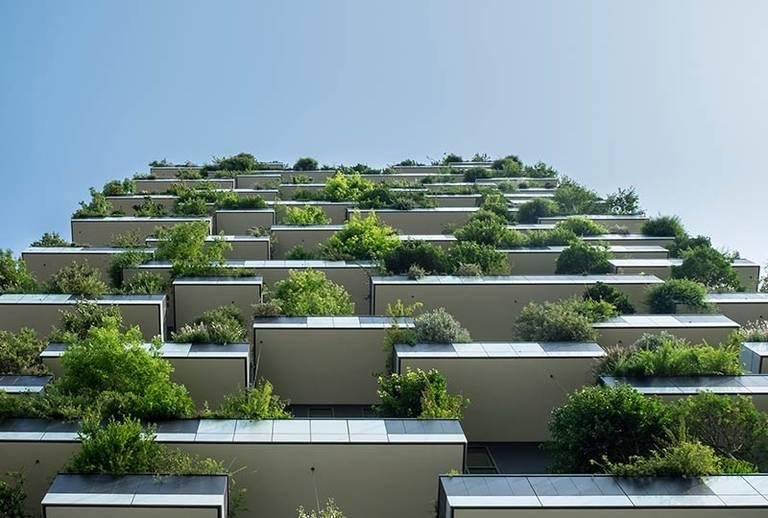
  • Sustainable Architecture: Incorporating green technologies, energy-efficient systems, and sustainable materials. Notable examples include the Bosco Verticale in Milan and the Edge in Amsterdam.
  • Mixed-Use Developments: Designing buildings that combine residential, commercial, and recreational spaces to create vibrant, multifunctional urban areas.

Impact on Urban Landscapes

The evolution of modern architecture has significantly impacted urban landscapes, shaping the way cities look and function. Key impacts include:

  • Skyline Transformation: Iconic skyscrapers and innovative buildings have transformed city skylines, creating new architectural landmarks.
  • Urban Density: High-rise buildings and mixed-use developments have increased urban density, promoting efficient land use and vibrant communities.
  • Sustainable Cities: Green architecture and sustainable design practices contribute to the development of eco-friendly cities that prioritize the well-being of residents and the environment.

Conclusion

The journey of modern architecture from Bauhaus to contemporary styles reflects a dynamic interplay of functionalism, artistic expression, and technological innovation. As architects continue to push the boundaries of design, modern architecture will undoubtedly evolve, shaping the future of urban landscapes and enhancing the quality of life for people around the world. Embracing the principles of sustainability and creativity, contemporary architecture offers a glimpse into the exciting possibilities of the built environment in the 21st century.

Sustainable Architecture

Sustainable Architecture: Designing Eco-Friendly Buildings for a Greener Future

Sustainable architecture, also known as green architecture, focuses on designing buildings that minimize environmental impact while enhancing the quality of life for occupants. As climate change and resource depletion become more pressing issues, the demand for eco-friendly buildings has surged. This blog post delves into the principles of sustainable architecture, highlighting innovative materials, energy-efficient designs, and the benefits of creating environmentally conscious structures.

Principles of Sustainable Architecture

At its core, sustainable architecture aims to reduce the negative effects of buildings on the environment. This involves considering the entire lifecycle of a building, from construction to demolition. Key principles include:

  1. Energy Efficiency: Designing buildings that use less energy for heating, cooling, and lighting. This can be achieved through proper insulation, energy-efficient windows, and the use of renewable energy sources such as solar panels and wind turbines.
  2. Water Conservation: Implementing systems that reduce water usage, such as low-flow fixtures, rainwater harvesting, and greywater recycling.
  3. Sustainable Materials: Choosing materials that are non-toxic, recyclable, and sustainably sourced. This includes using reclaimed wood, bamboo, recycled metal, and low-VOC (volatile organic compound) paints.
  4. Indoor Environmental Quality: Ensuring good air quality, natural lighting, and thermal comfort to promote the health and well-being of occupants.
  5. Site Considerations: Selecting building sites that reduce the impact on natural habitats and utilize existing infrastructure to minimize the carbon footprint.

Innovative Materials in Sustainable Architecture

The choice of materials plays a crucial role in sustainable architecture. Here are some innovative materials that are making a significant impact:

  • Cross-Laminated Timber (CLT): CLT is a renewable, sustainable alternative to traditional concrete and steel. It is strong, lightweight, and has a lower carbon footprint.
  • Recycled Steel: Using steel that has been recycled reduces the need for raw materials and energy-intensive production processes.
  • Green Roofs and Walls: These living installations provide insulation, reduce urban heat island effects, and promote biodiversity.
  • Low-Emissivity (Low-E) Glass: This type of glass improves energy efficiency by reflecting heat while allowing natural light to enter.

Energy-Efficient Designs

Energy efficiency is a cornerstone of sustainable architecture. Here are some design strategies that promote energy conservation:

  • Passive Solar Design: Orienting buildings to maximize natural light and heat during winter while minimizing heat gain during summer.
  • High-Performance Insulation: Using advanced insulation materials to reduce the need for artificial heating and cooling.
  • LED Lighting: Implementing LED lighting systems that use less energy and have a longer lifespan compared to traditional bulbs.
  • Smart Thermostats: Utilizing technology to optimize heating and cooling based on occupancy and weather conditions.

Benefits of Eco-Friendly Buildings

The advantages of sustainable architecture extend beyond environmental impact. Here are some key benefits:

  • Cost Savings: Reduced energy and water consumption lead to lower utility bills.
  • Health and Well-Being: Improved indoor air quality and natural lighting contribute to the health and productivity of occupants.
  • Market Value: Eco-friendly buildings often have higher market values and attract environmentally conscious buyers and tenants.
  • Environmental Protection: Sustainable buildings help conserve natural resources and reduce pollution, contributing to a healthier planet.

Conclusion

Sustainable architecture is more than just a trend; it is a necessary evolution in building design that addresses the urgent challenges of our time. By incorporating energy-efficient designs, innovative materials, and eco-conscious practices, architects and builders can create structures that are not only environmentally friendly but also economically beneficial and health-promoting. Embracing sustainable architecture is a crucial step towards a greener, more sustainable future.

Top Glass Ornaments for Tech Enthusiasts

If you’re a tech enthusiast looking to add a touch of flair to your home or workspace, glass ornaments can be a stylish and unique way to showcase your passion for technology. Here are a few top glass ornaments for tech enthusiasts:

Glass Computer Chip Ornament:

These ornaments are designed to resemble computer chips, featuring intricate circuitry patterns and vibrant colors. They are a perfect representation of the inner workings of technology and make for eye-catching decorations.

Glass Smartphone Ornament:

A miniature glass smartphone ornament is an ideal way to showcase your love for mobile technology. With meticulous attention to detail, these ornaments capture the sleek design and iconic features of popular smartphones.

Glass Robot Ornament:

Celebrate artificial intelligence and robotics with a glass robot ornament. Whether it’s a cute and whimsical robot or a more futuristic design, these ornaments add a touch of geek chic to your decor.

Glass Gaming Console Ornament:

Gaming enthusiasts can display their love for consoles with a glass ornament shaped like a gaming console controller or console itself. These ornaments pay homage to your favorite gaming systems and add a playful element to your space.

Glass Camera Ornament:

If photography is your passion, a glass camera ornament is a perfect choice. These ornaments capture the elegance and details of vintage cameras or modern DSLRs, making them a great addition to your photography-themed decor.

Glass Drone Ornament:

For those interested in drones and aerial technology, a glass drone ornament is a unique way to showcase your fascination. These ornaments beautifully capture the sleek lines and futuristic appeal of drones.

Glass Virtual Reality Headset Ornament:

Virtual reality enthusiasts can display their love for immersive technology with a glass VR headset ornament. These mini replicas capture the essence of this cutting-edge technology and add a tech-inspired touch to your holiday decor.

When it comes to glass ornaments for tech enthusiasts, the options are endless. Choose ornaments that best reflect your personal interests and preferences, as they can serve as conversation starters, reminders of your passion, and decorative accents that add a touch of tech-inspired flair to your space.

The Benefits of Crystal Ornaments in Patios

Crystal ornaments can bring beauty, tranquility, and a touch of elegance to outdoor spaces such as patios. Here are a few benefits of incorporating crystal ornaments into patio decor:

Aesthetic Appeal:

Crystal ornaments add a sparkling and captivating element to your patio. Their reflective surfaces catch sunlight, creating enchanting patterns of light and color. Whether you choose crystal wind chimes, sun catchers, or hanging prisms, these ornaments can enhance the overall visual appeal of your outdoor space.

Serenity and Relaxation:

Crystal ornaments have a tranquil quality that can induce a sense of calm and relaxation. As they sway in the breeze or reflect light, they create a soothing and peaceful ambiance on your patio. This can be especially beneficial if you use your outdoor space for relaxation, meditation, or simply unwinding after a long day.

Symbolic Meaning:

Crystals can possess spiritual and healing properties. Different crystals have links with various qualities such as love, harmony, and positive energy. By incorporating crystal ornaments into your patio decor, you can infuse these symbolic meanings into your outdoor space, creating a positive and uplifting environment.

Feng Shui Benefits:

In the practice of Feng Shui, crystals are often used to balance and harmonize energy flow. Placing crystal ornaments strategically on your patio can enhance the flow of positive energy, known as Qi, and create a harmonious atmosphere. This can contribute to a more balanced and relaxing outdoor environment.

Conversation Starters:

Crystal ornaments can serve as intriguing conversation pieces when entertaining guests on your patio. Their unique designs and play of light can spark curiosity and admiration, providing a point of interest and starting meaningful conversations with visitors.

Natural Elements:

Crystals are formed deep within the Earth, often over thousands of years. Incorporating these natural elements into your patio decor can connect you with the beauty and majesty of nature. They serve as a reminder of the natural wonders that exist around us, grounding us in the present moment.

Remember to choose high-quality crystal ornaments that are suitable for outdoor use and resistant to weather conditions. Discover the Benefits of Crystal Ornaments. Place them where they can catch sunlight or gentle wind, providing maximum visual impact and enjoyment. Ultimately, crystal ornaments in your patio can create a serene and captivating outdoor retreat for relaxation, entertaining, and a deep connection with nature.

The Benefits of Crystal Ornaments in Balconies

Crystal ornaments can be a beautiful addition to balconies, offering numerous benefits that enhance the ambiance and overall atmosphere of the outdoor space. Here are some advantages of incorporating crystal ornaments into balcony décor:

Aesthetic Appeal:

Crystal ornaments, such as suncatchers or hanging crystal strands, add a touch of elegance and sophistication to a balcony. The way they reflect and refract light creates mesmerizing patterns, enhancing the visual appeal of the space and creating a sparkling, enchanting atmosphere.

Sunlight Reflection:

As sunlight filters through the crystal ornaments, they create vibrant displays of colors and light patterns. These reflections can bring a sense of joy and tranquility, transforming the balcony into a serene and captivating retreat.

Positive Energy and Harmony:

In some spiritual and cultural beliefs, crystals possess healing properties and radiate positive energy. Hanging crystal ornaments in a balcony can contribute to a harmonious and calming environment, promoting a sense of well-being and balance.

Feng Shui Benefits:

According to feng shui principles, crystals are powerful enhancers of positive energy, or chi. Placing crystal ornaments on a balcony can help redirect and balance energy flow in the area, creating an inviting and harmonious space.

Protection from Negative Energy:

Crystals are also believed to have the ability to absorb and transform negative energy into positive energy. By including crystal ornaments on the balcony, it is thought to cleanse the space and maintain a positive and uplifting atmosphere.

Mindfulness and Meditation:

The reflective qualities of crystal ornaments can aid in mindfulness practices and meditation. Gazing at the light and colors reflecting through the crystals can help focus the mind, induce calmness, and support relaxation.

Conversation Starters:

Crystal ornaments can be great conversation starters when entertaining guests on the balcony. Their beauty and unique qualities often catch the eye, leading to discussions about their significance, cultural symbolism, or personal meanings.

When incorporating crystal ornaments into balcony décor, it is important to choose high-quality crystals and secure them properly to ensure they withstand outdoor conditions such as wind and rain. Regular cleaning and maintenance may require to preserve their shine and beauty.

Ultimately, the presence of crystal ornaments in a balcony offers aesthetic appeal, positive energy. They give a touch of magic, turning it into a serene and enchanting space for relaxation, mindfulness, and enjoyment.

How to Make Glass Ornaments with Wax

Making glass ornaments with wax can be a fun and creative project. Here is a step-by-step guide to help you create your own wax-filled glass ornaments:

Materials you’ll need:

– Glass ornaments

– Paraffin wax or specialty candle-making wax

– Double boiler or a heat-safe container and a saucepan

– Candle wicks

– Heat-resistant adhesive or hot glue gun

– Scissors

– Essential oils or fragrance oils (optional)

– Wax colorants or crayons (optional)

– Decorative materials (e.g., dried flowers, glitter, ribbons)

Step 1: Prepare the Glass Ornaments

Start by cleaning the glass ornaments to ensure they are free of dust or dirt. Remove any existing hangers or strings as they will be replaced later.

Step 2: Melt the Wax

Use a double boiler or a heat-safe container placed in a saucepan filled with water to create a makeshift double boiler. Heat the water and place the wax in the top container, slowly melting the wax over medium heat. Stir occasionally until the wax is completely melted and smooth.

Step 3: Add Color and Fragrance (Optional)

If desired, add wax colorants or crayons to achieve your preferred color. Stir well to ensure even distribution. For fragrance, you can add a few drops of essential oil or fragrance oil to the melted wax, stirring gently.

Step 4: Attach a Wick

Dip the bottom of a pre-cut candle wick into heat-resistant adhesive or use a hot glue gun to secure it to the inside base of the glass ornament. Hold it in place until it sticks firmly. Let it dry completely, ensuring the wick is centered.

Step 5: Pour the Wax

Carefully pour the melted wax into the glass ornament, filling it to your desired level. Leave a small space at the top to allow for decorative materials, if desired. Be cautious not to overflow the ornament or spill hot wax.

Step 6: Customize with Decorations

While the wax is still liquid, you can customize your ornament with various decorative materials. Consider adding dried flowers, glitter, ribbons, or anything else that suits your design vision. Be creative and have fun with it!

Step 7: Allow the Wax to Set

Allow the wax to cool and solidify completely. It may take a couple of hours or more, depending on the size of your ornament. Avoid moving or disturbing the ornament during this time to prevent any displacement of decorations.

Step 8: Trim the Wick

Trim the wick to an appropriate length, leaving enough to light the candle if desired but not too long to cause excessive smoke or risk of fire. About ¼ – ½ inch height is generally suitable.

Step 9: Attach a Hanger

Attach a new hanger or string to the top of the ornament, ensuring it is secure and can support the weight of the ornament. This will allow you to hang it up or display it as desired.

Your wax-filled glass ornament is now complete and ready to be showcased or gifted! Remember to exercise caution with lit candles and always place the ornament on a heat-resistant surface when in use. Enjoy your homemade creation!

How to Make Glass Ornaments with Foil

Making glass ornaments with foil can be a fun and creative project. Here’s a step-by-step guide on how to create your own foil-covered glass ornaments:

Materials Needed:

  1. Clear glass ornaments
  2. Aluminum foil
  3. Scissors
  4. Craft glue or adhesive
  5. Paintbrush
  6. Ribbon or string for hanging
  7. Optional: Acrylic craft paint, glitter, or other decorative materials

Step 1: Prepare your Workstation

Ensure you have a clean and organized workspace. Lay down a protective surface or use a craft mat to avoid any mess or damage to your working area.

Step 2: Cut Aluminum Foil

Cut the aluminum foil into small square or rectangular pieces, roughly 2 to 3 inches in size. You’ll need enough to cover the surface of the glass ornaments.

Step 3: Apply Craft Glue

Using a paintbrush or your finger, apply a thin and even layer of craft glue onto the surface of the glass ornament. Make sure to cover the entire area where you want the foil to adhere.

Step 4: Attach Aluminum Foil

Gently press a piece of aluminum foil onto the glue-covered surface of the ornament. Smooth out any wrinkles or bubbles with your finger or a clean, dry cloth. Repeat this process until the whole ornament is covered by the foil, adding more glue where necessary.

Step 5: Decorate (Optional)

If desired, once the foil is securely attached, you can further decorate the ornaments. Use acrylic craft paint to add designs, patterns, or details to the foil. Sprinkle glitter over the wet paint for a sparkling effect. Allow the paint and glitter to dry completely before moving on to the next step.

Step 6: Finishing touches

Once everything is dry, trim any excess foil hanging from the ornament with scissors. Attach a ribbon or string to the top of the ornament for hanging. Make a loop and secure it with a knot or a small dab of glue.

Step 7: Let it Cure

Let the ornaments dry and cure completely based on the instructions of the glue and paint you used. This will ensure that the foil and any decorative elements remain securely in place.

Your beautiful foil-covered glass ornaments are now ready to adorn your holiday tree or to be given as personalized gifts. Get creative with different colors of foil, decorative materials, or painting techniques to make each ornament unique. Enjoy the process and have fun crafting!