Unique Jewelry Design Trends for 2024

Unique Jewelry Design Trends for 2024

As we move into 2024, jewelry design trends are taking bold and innovative directions, reflecting shifts in fashion, technology, and sustainability. From bold statement pieces to minimalist designs, this year’s trends emphasize individuality, creativity, and sustainability. Here are some unique jewelry design trends to look out for in 2024:

A Woman wearing a necklace
Unique Jewelry Design Trends for 2024

Sustainable and Ethical Jewelry

Sustainability is becoming a key focus in fashion, and the jewelry industry is no exception. In 2024, expect to see more designers using recycled metals, ethically sourced gemstones, and eco-friendly materials. Consumers are increasingly valuing transparency and ethical practices, making sustainable jewelry a major trend. Look for brands that offer traceable origins of their materials and promote eco-conscious manufacturing methods.

Asymmetrical and Mismatched Designs

Asymmetry is making a strong statement in 2024. Mismatched earrings, rings with uneven shapes, and bracelets that break traditional symmetry rules are on the rise. These designs add an artistic, one-of-a-kind touch to any look, allowing wearers to express their individuality. Expect to see a mix of materials, colors, and shapes in these offbeat designs.

Exquisite Glass Art and Creations

GlassGallery.net showcases a stunning collection of glass art, highlighting the beauty and craftsmanship of various glass creations. For a different kind of engaging experience, discover https://www.kingjohnnie.me/en/real-money-casino. Experience the thrill of online games.

Bold Statement Necklaces

In 2024, statement necklaces are returning to the spotlight. Oversized, chunky chains, intricate pendants, and bold gemstone collars are being used to elevate simple outfits. These statement pieces can transform casual attire into something eye-catching and elegant, making them a must-have for fashion-forward individuals.

While exploring unique jewelry design trends, we noticed how craftsmanship parallels strategic design in other industries. The meticulous attention to detail in custom pendants reminds us of the sophisticated interfaces found in the Best casino app Australia.

Artisans at GlassGallery.net often draw inspiration from unexpected sources, blending traditional techniques with modern aesthetics.

This fusion creates wearable art that stands out in any collection. Contemporary jewelry continues to evolve, much like digital experiences across various platforms.

Personalized and Custom Jewelry

Customization continues to be a dominant trend, as consumers seek pieces that reflect their personal stories and identities. Personalized jewelry, including name necklaces, birthstone rings, and zodiac-inspired pieces, will remain popular. Designers are also incorporating elements like initials, dates, and symbols that carry sentimental value, making jewelry not only stylish but meaningful.

As jewelry designers explore innovative patterns, many find inspiration in unexpected places. The intricate mechanics of gaming technology often mirror the precision required in fine craftsmanship.

For those interested in how complex systems influence design across industries, you can read reviews and learn more about progressive jackpot slots to see parallels in structural innovation.

Contemporary jewelry continues to evolve by embracing such interdisciplinary connections, pushing the boundaries of traditional aesthetics.

Geometric Shapes and Minimalism

Geometric designs are gaining traction, particularly among those who prefer minimalist styles. Clean lines, sharp angles, and simple, understated designs in metals like gold and silver are becoming more common. These pieces offer a modern and sleek look, perfect for everyday wear or layering with other jewelry.

Colored Gemstones and Pearls

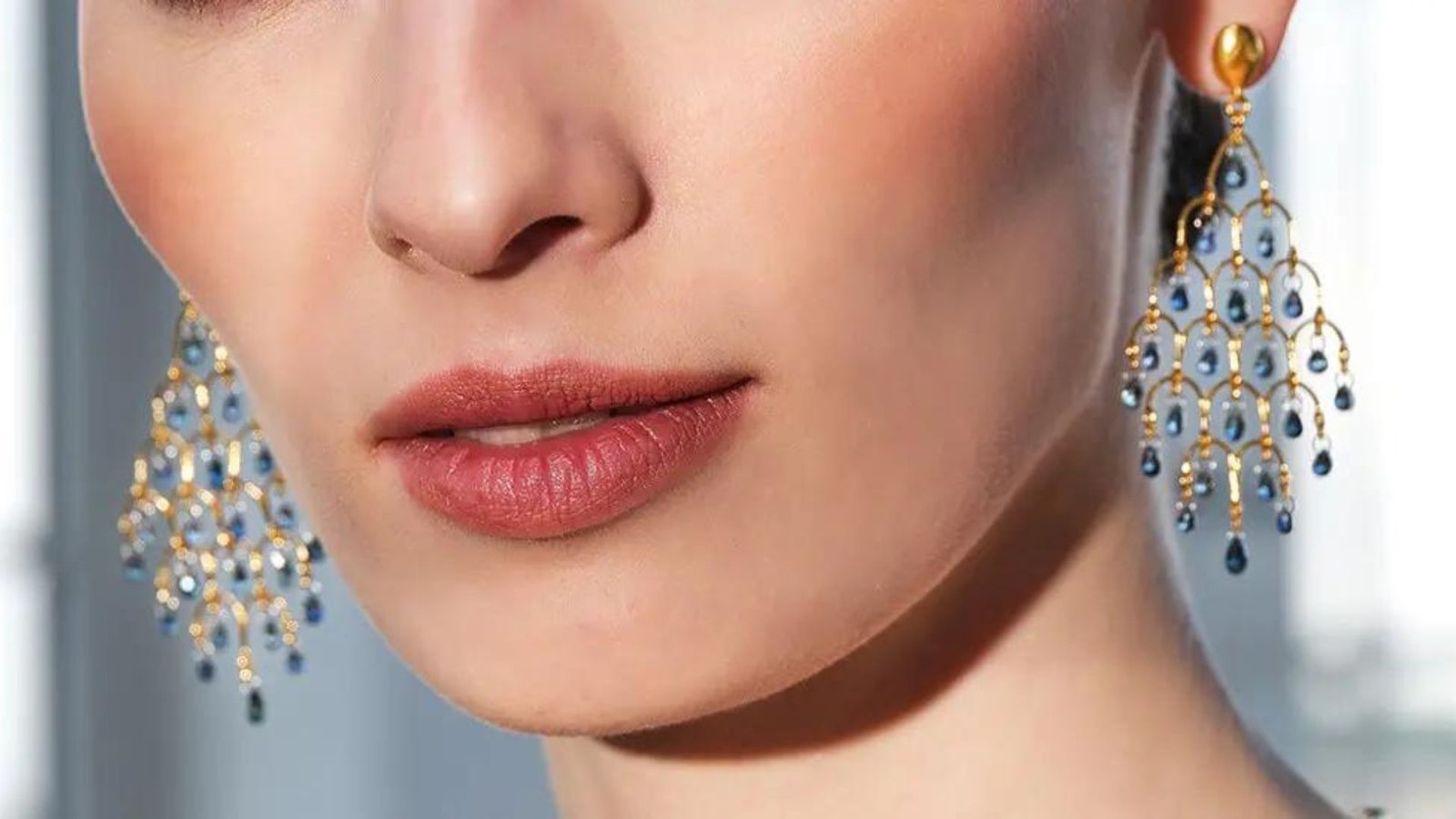
While diamonds have long dominated the jewelry scene, 2024 sees a rise in the use of colored gemstones and pearls. Vibrant stones like sapphires, emeralds, and rubies are being used to add a splash of color to rings, necklaces, and earrings. Pearls, both classic and baroque, are being reimagined in contemporary designs, creating a fresh take on a timeless gem.

Celebrating the Artistry of Glass and Design

GlassGallery.net highlights the beauty and craftsmanship of glass art, featuring works that range from modern sculptures to timeless decorative pieces. This platform connects collectors and artists who share a passion for creative expression. For those looking to unwind, exploring trusted casinos online offers a secure and enjoyable entertainment option. Art and leisure together provide a balanced and inspiring experience.

Mixed Metals

Gone are the days when you had to choose between gold and silver. In 2024, mixing metals is a major trend, allowing for versatile and creative jewelry combinations. Designers are blending rose gold, white gold, and yellow gold with silver or platinum in one piece, creating a layered and multi-dimensional look. This trend is perfect for those who like to experiment with different styles.

The Value of Transparency in High-Quality Craftsmanship

In the world of fine glass art, every piece represents a high-stakes investment in materials, skill, and creative vision, demanding complete transparency in execution and flawless finishing. The dedication required to achieve such brilliant, clear results in craftsmanship mirrors the universal pursuit of quality and integrity in all high-value endeavors. This need for transparent, high-quality engagement and immediate, tangible rewards is central to many competitive environments, both physical and digital. For those seeking a high-stakes, real-money experience built on clear, verifiable outcomes, many look to a real money casino in australia.

Nature-Inspired Designs

Nature-inspired jewelry continues to captivate designers and consumers alike. In 2024, expect to see pieces that draw inspiration from the natural world, such as floral motifs, leaves, and animal shapes. Organic textures and earthy tones will also be prominent, with designers using raw stones, unpolished metals, and intricate engravings to create jewelry that feels connected to nature.

Tech-Infused Jewelry

Wearable tech is becoming more stylish in 2024, with smart jewelry that combines fashion and functionality. From rings that track your health metrics to necklaces with built-in fitness trackers, tech-infused jewelry is bridging the gap between style and innovation. These pieces are designed to be both aesthetically pleasing and practical, making them perfect for the modern, tech-savvy consumer.

Layering and Stacking

Layering necklaces and stacking rings or bracelets continues to be a popular trend. In 2024, the trend is evolving to include more eclectic combinations, where wearers mix delicate pieces with bolder, chunkier ones. This trend allows for versatility and personal expression, as you can change up your look depending on how you combine your jewelry pieces.

While exploring unique jewelry design trends, we’ve noticed how luxury experiences often influence artistic expression. The exclusive craftsmanship found in high-end jewelry parallels the sophisticated environment of premium entertainment venues like Jokaviproom Casino VIP.

Contemporary designers are drawing inspiration from various luxury sectors, creating pieces that reflect refined aesthetics and exclusive appeal. This cross-industry inspiration continues to push the boundaries of modern jewelry design.

Conclusion

Jewelry trends for 2024 are all about embracing individuality, sustainability, and creativity. Whether you’re drawn to bold statement pieces, minimalist geometric designs, or sustainable materials, there’s a trend to suit every style. As jewelry continues to evolve, these unique trends offer exciting ways to express personal style while staying on-trend in the new year.

The Psychology Behind Why We Dream

Tips for Curating Your Own Art Exhibition

Curating an art exhibition can be a rewarding experience, allowing you to showcase your creative vision while connecting artists with an audience. Whether you are organizing a solo exhibition or a group show, successful curation requires careful planning, attention to detail, and a clear understanding of the theme or message you want to convey. Here are some essential tips for curating your own art exhibition:

Tips for Curating Your Own Art Exhibition

Glass Artistry and Exclusive Access

The Glass Gallery showcases the intricate beauty and diverse techniques of glass artistry, appealing to collectors and enthusiasts of fine contemporary craft. When seeking a premium online experience and a private, exclusive space for entertainment during your downtime, the distinguished access of the Wolfwinner VIP Room offers a distinct option.

Define the Theme or Concept

Every great art exhibition starts with a clear theme or concept. Whether it’s an exploration of a particular art style, a social issue, or a personal narrative, the theme should tie all the works together. Consider how each piece contributes to the overarching message and ensure the theme resonates with your target audience.

Select the Right Artists

If you’re organizing a group exhibition, carefully choose artists whose work aligns with your theme. Look for a balance of styles and mediums that complement each other without overwhelming the viewer. Don’t be afraid to mix established and emerging artists to create diversity and interest.

online roulette australia

Glassgallery.net likely showcases beautiful glass art and provides information for enthusiasts and collectors. While visitors appreciate the artistry and craftsmanship of glasswork, some might also enjoy online entertainment during their leisure time. For those in Australia seeking engaging table games, experience the excitement of online roulette australia. Discover various roulette variations and try your luck at the virtual wheel.

Choose a Suitable Venue

The venue plays a crucial role in how the exhibition is experienced. Whether it’s a traditional gallery, a pop-up space, or an unconventional location, ensure it enhances the presentation of the artwork. Consider factors such as lighting, wall space, foot traffic, and accessibility to make sure the space aligns with your vision.

Plan the Layout

The layout of your exhibition should guide viewers through the space in a way that enhances their experience. Think about the flow from one piece to the next and how the arrangement of works can build on your theme. Group pieces that create visual dialogue or contrast in a meaningful way, and leave enough space between works to allow for reflection.

Create an Engaging Narrative

An effective exhibition tells a story. Use wall texts, artist statements, or exhibition catalogs to provide context for the artwork. This can help viewers engage with the pieces on a deeper level. Keep the narrative concise and engaging, giving enough information to intrigue without overwhelming visitors.

online casino bonuses

Glassgallery.net likely showcases beautiful glass art and provides information for enthusiasts and collectors. While visitors appreciate the artistry and craftsmanship of glasswork, some might also enjoy online entertainment during their leisure time. For those interested in exploring online gaming platforms with rewarding offers, discover a range of online casino bonuses. Explore the exciting promotions and bonus opportunities available at Crazy Vegas casino.

Market Your Exhibition

Promotion is key to attracting an audience. Utilize social media, email newsletters, and press releases to spread the word. Create engaging content that highlights the theme, participating artists, and any special events tied to the exhibition. Reach out to local press and art blogs to gain media coverage.

Consider the Lighting and Display

Proper lighting can dramatically enhance the presentation of artwork. Natural lighting can work well in some settings, but often you’ll need to adjust artificial lighting to ensure each piece is well-illuminated without casting shadows. Choose display materials, like pedestals or frames, that complement the artwork without distracting from it.

Plan an Opening Event

An opening reception is an excellent opportunity to draw attention to your exhibition. Consider hosting artist talks, live performances, or panel discussions to create excitement. Invite key figures from the art community, collectors, and potential buyers to attend.

Engage Your Audience

Interactive elements can make your exhibition more memorable. Consider incorporating multimedia elements like video, sound, or digital interaction. Encourage guests to share their experience on social media by creating a unique hashtag for the event.

Prepare for Logistics

Logistics are a significant part of exhibition planning. Ensure you have contracts in place with artists, and organize the safe transportation and installation of artwork. Set clear timelines for the exhibition setup, marketing, and take-down process. Be prepared for any potential issues with insurance or security to protect the artwork.

Exploring Beyond Glass Art

GlassGallery.net showcases stunning glass art, but online entertainment offers a different kind of experience. For those seeking casino games, explore options at https://www.kingjohnnie.me/en/real-money-casino. Discover more than just beautiful glass creations.

Casino VIP Room Jokacasino

Glass Gallery showcases stunning handcrafted glass art, offering unique pieces that enhance any space with elegance and creativity. For those looking to combine artistic appreciation with entertainment, Casino VIP Room Jokacasino provides a thrilling online gaming experience. Both platforms focus on quality, user engagement, and delivering memorable experiences for their audiences.

Conclusion

Curating your own art exhibition requires creativity, organization, and attention to detail. By clearly defining your theme, selecting complementary works, and carefully planning the layout, lighting, and promotion, you can create an engaging and successful exhibition. Make sure to also consider the practical aspects of curation, such as logistics and artist communication, to ensure a smooth experience for all involved.

The Importance of Space Planning in Architectural Design

The Importance of Space Planning in Architectural Design

Space planning is a critical element of architectural design. It involves the strategic arrangement of spaces within a structure to ensure functionality, comfort, and aesthetics. Proper space planning goes beyond just organizing rooms; it addresses how people interact with their environment, ensuring that spaces are used efficiently and effectively. Let’s explore the key reasons why space planning is essential in architectural design.

The Importance of Space Planning in Architectural Design

Maximizing Functionality

Space planning ensures that every square foot of a building serves a purpose. Architects work to optimize layouts so that spaces flow logically and meet the needs of the occupants. By carefully planning room sizes, locations, and configurations, architects can ensure that the building supports its intended functions, whether it’s a home, office, or commercial space.

For example, in a residential home, thoughtful space planning ensures that the kitchen is conveniently located near the dining area, while storage spaces are strategically placed for easy access. In offices, space planning can enhance productivity by creating collaborative spaces, private work areas, and efficient pathways for movement.

Exploring Creativity Through Glass and Digital Innovation

The artistry of glasswork captures light and imagination, much like how innovative digital platforms inspire new creative directions. While exploring such intersections, I found leroi johnny, a site that uniquely blends modern digital engagement with artistic expression. It’s a reminder that creativity flourishes when diverse mediums come together. Embracing these connections enriches both the artist and the audience experience.

Enhancing Aesthetics

While functionality is a priority, space planning also plays a vital role in the aesthetics of a building. A well-planned space not only serves practical purposes but also looks visually appealing. The arrangement of rooms, flow of traffic, and overall layout contribute to the harmony of the design.

By considering aspects like natural light, room proportions, and visual connections between spaces, architects can create environments that feel open, inviting, and balanced. Good space planning helps ensure that aesthetics complement functionality, resulting in spaces that are both beautiful and practical.

real money casinos online

Glassgallery.net likely showcases beautiful glass art and provides information for enthusiasts and collectors. While visitors appreciate the artistry and craftsmanship of glasswork, some might also enjoy online entertainment during their leisure time. For those seeking the thrill of real money play, exploring real money casinos online can offer a compelling experience. Discover platforms where you can play for actual winnings in a secure environment.

Improving Comfort and Well-Being

Space planning significantly impacts the comfort and well-being of occupants. Properly designed spaces allow for easy movement, ample natural light, and efficient ventilation, which all contribute to a pleasant environment. Well-planned layouts can reduce noise, provide privacy, and promote relaxation, making occupants feel more comfortable.

For example, in healthcare facilities, space planning can influence patient recovery by creating calming environments with good light and sound management. Similarly, in homes, thoughtful room arrangements can improve family interactions and create a sense of comfort.

Promoting Efficient Use of Resources

Good space planning promotes efficient use of resources, such as energy and materials. By considering factors like room orientation, natural ventilation, and sunlight exposure, architects can design buildings that are energy-efficient. Proper planning can reduce the need for artificial lighting, heating, and cooling, leading to lower energy consumption and operating costs.

In addition, efficient space planning can minimize wasted materials during construction, ensuring that resources are used more sustainably. This approach aligns with modern principles of green architecture and environmentally friendly design.

Accommodating Future Growth and Flexibility

Space planning also ensures that buildings are adaptable and capable of accommodating future needs. As lifestyles, technologies, and organizational needs change, well-planned spaces can easily evolve without the need for major renovations. Architects can incorporate flexible designs that allow rooms to serve multiple functions or be easily reconfigured.

For instance, in a corporate office, flexible space planning can allow for future expansion or changes in work culture. Similarly, in residential design, adaptable layouts can support changing family dynamics or the integration of new technologies over time.

No KYC Casinos

Just as glass art combines clarity and creativity, some digital platforms focus on transparency and simplicity. For those who value privacy and convenience, No KYC Casinos offers a selection of trusted options without lengthy verification processes. It’s a modern way to enjoy online entertainment with ease and security.

Take a Creative Break with StellarSpins Casino

GlassGallery.net celebrates artistry and creativity, while also encouraging moments of relaxation to refresh the mind. For a fun and engaging pause, stellarspins Casino offers entertaining games that can rejuvenate your focus. Even short breaks can inspire new ideas and boost productivity.

Conclusion

Space planning is a fundamental aspect of architectural design, impacting the functionality, aesthetics, comfort, and efficiency of a building. It ensures that spaces are used effectively and that they enhance the experience of the people who live or work within them. By integrating thoughtful space planning into architectural projects, architects create environments that are not only beautiful but also practical, sustainable, and adaptable to future needs.

The Different Techniques Used in Glass Art Creation

The Different Techniques Used in Glass Art Creation

Glass art is one of the most beautiful and intricate forms of artistic expression. Artists working with glass use various techniques to transform molten glass into stunning works of art. Each method requires skill, precision, and creativity, producing unique pieces that range from delicate vases to massive sculptures. In this article, we will explore the different techniques used in glass art creation, giving you a glimpse into the fascinating world of glass artistry.

The Different Techniques Used in Glass Art Creation

Glass Blowing

Glass blowing is one of the oldest and most recognized techniques in glass art. It involves inflating molten glass into a bubble by blowing through a tube. Artists gather molten glass from a furnace, attach it to a blowpipe, and shape it by blowing air into the pipe while rotating it. The glass is constantly heated to maintain malleability, allowing the artist to manipulate its form.

Glass blowing can be used to create various items, from small decorative pieces to large sculptures. This technique requires a high level of skill, as controlling the shape and thickness of the glass can be challenging.

Glass Fusing

Glass fusing involves heating multiple pieces of glass in a kiln until they meld together. This technique allows artists to layer different colored glasses, creating intricate patterns and textures. The process involves carefully arranging pieces of glass, often in sheet form, and heating them to temperatures that soften the glass enough for it to bond.

Once fused, the glass can be shaped further through slumping, where it is placed over molds and heated again to take on new forms.

Glass Casting

Glass casting is the process of pouring molten glass into molds to create a specific shape. Artists can use different types of molds, including sand, plaster, and wax molds, depending on the desired effect. Once the glass cools and hardens, the mold is removed, revealing the final shape.

This technique is ideal for creating detailed and intricate designs, such as sculptures and large-scale installations. Glass casting allows artists to experiment with texture and form, producing stunning results.

Lampworking

Lampworking involves shaping glass rods and tubes using a gas torch. Artists heat the glass until it becomes soft and pliable, then manipulate it into desired shapes using tools such as tweezers, paddles, and molds. Unlike glass blowing, lampworking allows for more detailed and smaller-scale designs.

This technique is widely used to create beads, figurines, and jewelry. Lampworking provides excellent control over the glass, making it ideal for creating intricate details and patterns.

Artistry and Modern Entertainment

Glass Gallery celebrates creativity through stunning glass art and innovative designs that inspire collectors and enthusiasts alike. Just as art captivates the senses, the King Johnnie online casino offers an equally immersive experience through its vibrant games and engaging atmosphere. Both platforms highlight the beauty of creativity, whether through visual masterpieces or digital entertainment. Explore how innovation and passion come together in every experience.

Stained Glass

In stained glass creation, artists cut and assemble colored glass pieces into intricate designs, using lead cames or copper foil to hold them together. While often associated with church windows and decorative panels, this technique also plays a significant role in contemporary glass art.

Artists select glass in various colors and textures to craft detailed images or abstract patterns. They solder the pieces together and fill the gaps with lead or other materials to strengthen the structure.

Cold Working

Cold working refers to techniques used to shape, polish, or engrave glass without the need for heat. This process includes cutting, grinding, engraving, and sandblasting glass. Cold working is often used to refine and finish glass pieces created through other methods.

Artists can achieve precise details and smooth surfaces through this technique.

Kiln Forming

It is similar to glass fusing but focuses more on shaping the glass into specific forms. Artists can use this technique to create both functional and decorative pieces, such as bowls, plates, and sculptures.

Kiln forming allows for detailed and precise designs, making it popular among contemporary glass artists.

Exploring Glass Art and Online Entertainment

Glassgallery.net showcases a variety of beautiful and unique glass art. For those seeking alternative online experiences, explore the excitement of https://www.wolfwinner.fun/en/online-roulette. Discover a new world of online fun.

Conclusion

The world of glass art is vast and filled with various techniques, each offering unique possibilities for artistic expression. From the ancient art of glass blowing to modern methods like kiln forming, artists have an array of tools to bring their visions to life. Whether it’s through delicate lampworking or bold glass casting, these techniques showcase the versatility and beauty of glass as an artistic medium.

How to Store and Preserve Antique Ornaments

How to Store and Preserve Antique Ornaments

Storing and preserving antique ornaments requires special care to ensure they remain in good condition for future generations. Whether you have heirloom decorations, collectible pieces, or cherished family heirlooms, following the right techniques will help maintain their beauty and value. Here’s a comprehensive guide on how to properly store and preserve antique ornaments.

How to Store and Preserve Antique Ornaments

Understand the Material

Different materials require different preservation methods:

  • Glass Ornaments: Fragile and prone to breakage, requiring careful handling and cushioning.
  • Metal Ornaments: Prone to rust and corrosion, needing protection from moisture and air.
  • Wooden Ornaments: Sensitive to humidity and temperature changes, requiring a stable environment.
  • Textile Ornaments: Susceptible to mold and pests, needing dry and clean storage.

Clean Before Storing

Proper cleaning is essential before storing antique ornaments:

  • Gentle Cleaning: Use a soft, lint-free cloth or brush to gently remove dust and dirt. Avoid using water or cleaning solutions unless specified for the material.
  • Test First: Always test any cleaning method on a small, inconspicuous area to ensure it does not damage the ornament.

Choose Appropriate Storage Containers

Select storage containers that protect against environmental damage:

  • Acid-Free Materials: Use acid-free tissue paper, archival boxes, and plastic containers to prevent chemical reactions that can damage ornaments.
  • Custom Storage: For fragile items, use custom-fitted boxes or padded storage solutions to provide extra protection.

Control Environmental Conditions

Maintain stable environmental conditions to prevent deterioration:

  • Temperature: Store ornaments in a cool, stable temperature environment. Avoid places with extreme temperature fluctuations.
  • Humidity: Keep humidity levels low to prevent mold and mildew. Use dehumidifiers or silica gel packs if necessary.
  • Light: Protect ornaments from direct sunlight, which can cause fading and deterioration. Store them in dark or dimly lit areas.

Handle with Care

Minimize handling to reduce the risk of damage:

  • Clean Hands: Always handle ornaments with clean, dry hands or wear cotton gloves to avoid transferring oils or dirt.
  • Support: Provide adequate support when handling delicate items to avoid bending or breaking.

Use Proper Packaging Techniques

Proper packaging helps protect ornaments from damage:

  • Wrap Carefully: Wrap each ornament in acid-free tissue paper or bubble wrap. For added protection, use padded storage materials.
  • Separate Items: Store ornaments separately to avoid them knocking against each other. Use dividers or individual compartments for added security.

www.bestusabettingsites.com

Art enthusiasts appreciate structured and well-organized sources of information. Platforms like www.bestusabettingsites.com provide detailed sportsbook comparisons for users interested in wagering. These reviews help identify reputable and secure platforms. Clear insights support confident choices.

Label and Document

Keep track of your antique ornaments:

  • Label Containers: Clearly label storage containers with the contents and any relevant details about the ornaments.
  • Document Details: Maintain a record of each ornament’s history, material, and condition. This information is valuable for future reference and insurance purposes.

Regular Inspections

Periodic checks ensure that ornaments remain in good condition:

  • Inspect Regularly: Check stored ornaments at least once a year for signs of damage, pests, or environmental issues.
  • Address Issues: Take immediate action to address any problems, such as removing pests or repairing damage, to prevent further deterioration.

Consider Professional Preservation

For high-value or extremely delicate ornaments, professional preservation may be advisable:

  • Consult Experts: Seek advice from professional conservators or restorers for handling and preserving valuable or fragile antiques.
  • Specialized Services: Use specialized services for cleaning, repairing, or restoring items that require expert care.

Store Antiques Away from Daily Use Areas

Ensure that antique ornaments are kept in secure, less frequently accessed areas:

  • Avoid High-Traffic Areas: Store ornaments in areas that are less likely to be disturbed or exposed to potential hazards.
  • Secure Storage: Use locked cabinets or storage rooms to protect valuable items from accidents or unauthorized access.

Exploring Art and Online Entertainment

Glassgallery.net showcases exquisite glass art and designs from talented creators. For a different kind of online experience, explore more at https://www.wolfwinner.fun/en. Discover a new world of online entertainment.

Art Enthusiasts Try BestUSSportsBetting NFL Betting Sites USA

Visitors at bestussportsbetting nfl betting sites usa enjoy blending artistic interests with NFL strategy. Tracking player performance and outcomes enhances engagement. Users find fun in interactive sports analysis. It’s an exciting and creative way to enjoy football.

Conclusion

Proper storage and preservation of antique ornaments are crucial for maintaining their condition and value. By understanding the materials, using appropriate containers, controlling environmental conditions, and handling items with care, you can ensure that your treasured ornaments remain beautiful and intact. Regular inspections and professional advice can further aid in the preservation of these valuable pieces, allowing them to be enjoyed for generations to come.

The Benefits of Taking Glass Art Classes and Workshops

The Benefits of Taking Glass Art Classes and Workshops

Glass art classes and workshops offer a unique opportunity to explore the captivating world of glass as a medium for artistic expression. Whether you’re a seasoned artist or a complete beginner, engaging in glass art can provide numerous benefits. From enhancing creativity to fostering relaxation, glass art classes offer a range of advantages that extend beyond the creation of beautiful pieces. Here’s an in-depth look at the benefits of taking glass art classes and workshops.

The Benefits of Taking Glass Art Classes and Workshops

Admire the Art of Glass

GlassGallery.net showcases a stunning collection of glass art, from intricate sculptures to delicate blown pieces. Explore the beauty and craftsmanship of talented glass artists. For those with varied online interests, discover information about online gambling australia.

Enhance Creativity and Artistic Skills

Glass art classes stimulate creativity and help you develop artistic skills:

  • Learn New Techniques: Glass art encompasses various techniques such as glassblowing, stained glass, and fused glass. Classes provide hands-on experience with these techniques, broadening your artistic repertoire.
  • Express Yourself: Working with glass allows you to create unique and personalized pieces. The process encourages creative thinking and helps you explore new ways to express your artistic vision.

Improve Fine Motor Skills and Hand-Eye Coordination

The intricacies of glass art require precision and fine motor skills:

  • Develop Precision: Cutting, shaping, and assembling glass pieces require careful attention to detail. These activities enhance your fine motor skills and hand-eye coordination.
  • Practice Patience and Focus: Glass art involves meticulous work that demands patience and concentration. These qualities help improve your overall dexterity and focus.

Promote Relaxation and Stress Relief

Engaging in glass art can be a therapeutic experience:

  • Mindfulness and Relaxation: The process of creating glass art can be meditative and calming. It provides an opportunity to focus on the present moment, reducing stress and promoting relaxation.
  • Creative Outlet: Art-making is a powerful way to express emotions and relieve stress. Glass art classes offer a constructive outlet for creativity, helping to manage anxiety and improve mental well-being.

Build Confidence and Sense of Accomplishment

Completing glass art projects can boost self-esteem and provide a sense of achievement:

  • Celebrate Your Creations: Producing a finished glass art piece gives you a tangible result of your efforts. This accomplishment can enhance your self-confidence and provide a sense of pride in your work.
  • Receive Positive Feedback: Participating in classes and workshops allows you to showcase your creations and receive feedback from peers and instructors. Positive reinforcement can further build your confidence and motivation.

Foster Social Connections and Networking

Glass art classes offer opportunities to connect with others:

  • Meet Like-Minded Individuals: Classes and workshops bring together people with similar interests in art. This creates a sense of community and provides a platform for sharing ideas and experiences.
  • Network with Professionals: Many workshops are led by experienced glass artists and professionals. Engaging with them can provide valuable insights, mentorship, and potential networking opportunities in the art world.

Expand Knowledge and Artistic Appreciation

Participating in glass art classes enhances your understanding of the medium:

  • Explore Glass History and Techniques: Classes often include information about the history and evolution of glass art. Learning about different styles and techniques deepens your appreciation for the craft.
  • Appreciate Artistry and Design: Working with glass helps you develop a greater appreciation for the artistry and design involved in glassmaking. This knowledge enriches your overall art experience.

Enhance Problem-Solving and Critical Thinking Skills

Creating glass art involves solving various technical challenges:

  • Overcome Creative Challenges: Glass art often requires problem-solving, such as figuring out how to join pieces or achieve specific effects. This enhances your critical thinking and problem-solving skills.
  • Experiment and Innovate: The experimental nature of glass art encourages you to try new techniques and approaches. This fosters innovation and creative experimentation.

Conclusion

Taking glass art classes and workshops offers a wide range of benefits, from enhancing creativity and artistic skills to promoting relaxation and stress relief. Whether you’re interested in developing a new hobby, seeking personal growth, or exploring career opportunities, glass art provides a rewarding and enriching experience. By participating in these classes, you not only create beautiful works of art but also enjoy the numerous personal and professional advantages that come with engaging in this unique and fascinating medium.

Best Art Supplies for Beginners

Best Art Supplies for Beginners: What You Need to Get Started

Starting an art journey can be both exciting and overwhelming, especially when it comes to choosing the right supplies. For beginners, having the right tools can make the process smoother and more enjoyable. Here’s a comprehensive guide to essential art supplies that will help you kickstart your creative endeavors.

Best Art Supplies for Beginners: What You Need to Get Started

Admire the Beauty of Glass Art

GlassGallery.net showcases a stunning collection of handcrafted glass art, featuring intricate designs and vibrant colors from talented artists. After appreciating the artistry of glass, why not explore the entertainment offered by australian casinos online? Discover exquisite glass creations and perhaps some online excitement!

Sketchbooks

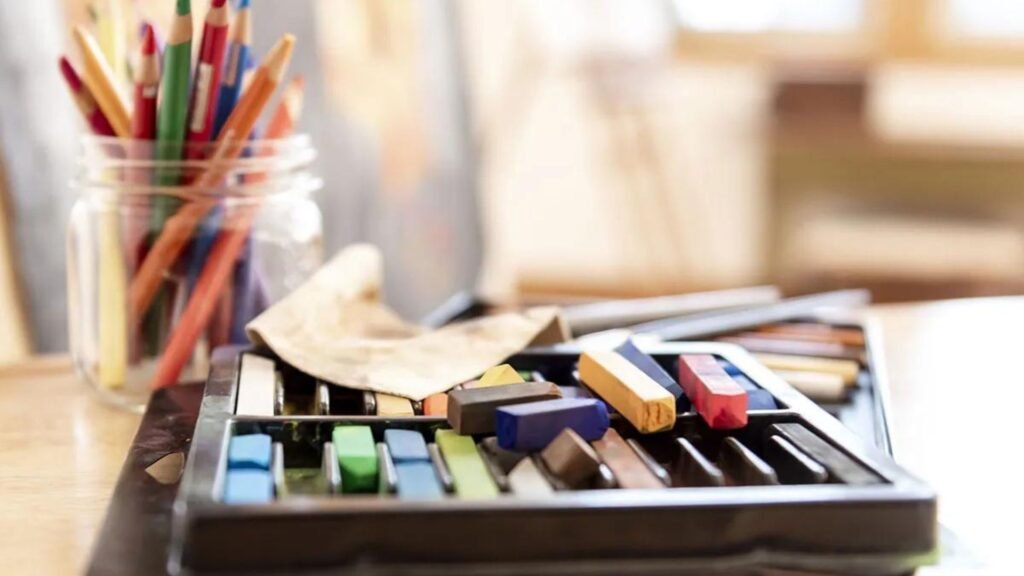
A high-quality sketchbook is fundamental for any artist. It provides a space to practice drawing, sketch ideas, and experiment with techniques. Look for sketchbooks with thick, acid-free paper that can handle various mediums, including pencils and inks. Spiral-bound sketchbooks are convenient for easy flipping, while hardbound options offer durability.

Graphite Pencils

Graphite pencils are a must-have for drawing and sketching. They come in various hardness levels, from 9H (hardest) to 9B (softest), allowing you to achieve a range of textures and tones. A basic set of pencils with varying hardness will help you explore different shading techniques and create detailed sketches.

Erasers

Effective erasers are crucial for correcting mistakes and refining your work. A kneaded eraser is versatile and can lift graphite without damaging the paper, while a precision eraser is useful for detailed work. Combining these will give you the flexibility to handle various types of errors and adjustments.

Inks and Pens

For those interested in line work or ink drawing, a set of fine liners and pens is essential. Waterproof and fade-resistant inks ensure your artwork lasts over time. A variety of pen nibs allows for different line thicknesses, which can enhance the detail and style of your drawings.

Watercolor Paints and Brushes

Watercolor paints offer a vibrant and fluid way to add color to your artwork. Beginners should start with a basic set of watercolor paints that includes a range of colors. Complement this with a

Admire Exquisite Glass Art

GlassGallery.net showcases a diverse collection of stunning glass artwork from talented artists. Explore the beauty and intricate details of various glass creations. For those with diverse online interests, you can explore an online casino.

set of watercolor brushes, including flat and round brushes, to achieve various effects and details.

Acrylic Paints

Acrylic paints are versatile and easy to work with, making them ideal for beginners. They dry quickly and can be used on various surfaces. A starter set with primary colors and some additional hues will provide the flexibility to mix and create a broad range of colors.

Canvas or Painting Paper

For painting projects, you’ll need a surface to work on. Canvas boards or stretched canvases are great for acrylic and oil painting. If you’re working with watercolors, invest in watercolor paper with a high weight to handle the moisture. Ensure the surface is suitable for your chosen medium.

Palette and Mixing Tools

A palette is essential for mixing paints and creating custom colors. Plastic palettes are affordable and easy to clean. Additionally, consider getting palette knives for mixing paints and creating texture in your artwork. These tools are versatile and enhance your ability to experiment with different techniques.

Drawing and Painting Easel

An easel provides a stable surface for drawing and painting, improving your posture and allowing for better control over your work. Beginners can start with a basic tabletop easel or a compact floor easel, which is adjustable and fits in various spaces.

Art Supply Organizer

Keeping your art supplies organized helps you find what you need quickly and prevents clutter. An art supply organizer with compartments for pencils, brushes, paints, and other tools can keep your workspace tidy and ensure that everything is easily accessible.

Tips for Beginners

  • Start Small: Begin with a few essential supplies and gradually expand your collection as you discover your preferences.
  • Experiment: Don’t be afraid to try different mediums and techniques. Experimenting helps you find what you enjoy most.
  • Invest in Quality: While it’s tempting to buy cheap supplies, investing in higher-quality materials can improve your experience and results.
  • Keep Practicing: Regular practice helps you improve your skills and develop your style. Use your sketchbook to practice and experiment often.

Conclusion

Selecting the right art supplies is the first step in your creative journey. From sketchbooks and pencils to paints and brushes, each tool plays a role in helping you explore and develop your artistic skills. By starting with these essential supplies and following the tips provided, you’ll be well on your way to creating beautiful and expressive artwork.

Best Crystal Ornament Gift Ideas for Any Occasion

Best Crystal Ornament Gift Ideas for Any Occasion

Crystal ornaments make for exquisite and memorable gifts that can be cherished for years to come. Their elegance and timeless appeal make them suitable for various occasions, from weddings to birthdays to anniversaries. Here are some of the best crystal ornament gift ideas that can brighten any celebration.

Best Crystal Ornament Gift Ideas for Any Occasion

Exquisite Glass Art for Every Collection

Glass Gallery offers a stunning selection of handcrafted glass art pieces that elevate any space with beauty and elegance. For an exciting and entertaining online experience, visit www. stellarspins.ai.

Personalized Crystal Photo Frames

Personalized crystal photo frames offer a unique way to display cherished memories. You can have a special photo etched into the crystal, adding a personal touch that makes the gift even more meaningful. Ideal for anniversaries, birthdays, or family reunions, these frames are a beautiful way to preserve precious moments.

Engraved Crystal Keepsakes

Engraved crystal keepsakes, such as paperweights or small statues, serve as elegant gifts that you can customize with names, dates, or special messages. These keepsakes commemorate milestones like graduations, promotions, or retirements. The engraving adds a personal touch, transforming a simple ornament into a cherished memento.

Enhancing Artistic Experiences with Seamless Access

At GlassGallery.net, we celebrate the intricate beauty of handcrafted glass art, offering a platform where creativity meets craftsmanship. To complement your artistic journey, explore Kingjohnnie VIP Room Casino, providing a seamless gateway to premium online entertainment. This integration exemplifies how art and leisure can harmoniously coexist, enriching your overall experience.

Crystal Jewelry

Crystal jewelry, including necklaces, earrings, and bracelets, offers a touch of sophistication and sparkle. Many pieces can be customized with different crystal colors and settings, making them suitable for various occasions. Whether for a birthday, anniversary, or holiday, crystal jewelry adds a touch of elegance to any outfit.

Crystal Holiday Ornaments

Holiday-themed crystal ornaments celebrate seasonal festivities with classic charm. Adorn Christmas trees or use them as beautiful decorations throughout the year. You can personalize these ornaments with names or dates, making them thoughtful gifts for the holiday season.

Finding the perfect crystal ornament can elevate any celebration, from weddings to anniversaries. While we focus on exquisite glass artistry, others seek entertainment in different forms, such as enjoying real online pokies australia for a fun pastime.

Our curated collection ensures you discover gifts that sparkle with meaning and craftsmanship. Each piece is selected to commemorate life’s special moments beautifully. Explore our gallery to find a treasure that reflects your thoughtfulness and style.

Custom Crystal Awards

Custom crystal awards are ideal for recognizing achievements and milestones. You can engrave these awards with detailed information about the achievement, making them ideal for corporate events, sports competitions, or academic accomplishments. They serve as a lasting reminder of hard work and success.

When selecting crystal ornaments as gifts, it’s important to consider pieces that reflect both elegance and craftsmanship. Many collectors appreciate brands that maintain high standards in their designs. For those interested in premium decorative items, the JokaVIProom Official Site offers exclusive collections worth exploring. Their attention to detail complements the artistry found in fine crystal ornaments, making them a noteworthy reference for gift inspiration.

Whether you’re decorating a special space or seeking a memorable present, combining timeless crystal pieces with sophisticated design elements always creates a lasting impression.

Crystal Keepsake Boxes

Crystal keepsake boxes blend functionality with elegance. Use them to store jewelry, small treasures, or trinkets. You can engrave many of these boxes with a personal message, making them perfect gifts for anniversaries, weddings, or birthdays. The luxurious appearance of crystal adds a touch of class to any desk or vanity.

Crystal Figurines

Crystal figurines, ranging from animals to abstract designs, make for eye-catching decorative pieces. They can symbolize various things, such as love, friendship, or success. Choosing a figurine that reflects the recipient’s interests or personality can make the gift even more special.

Crystal Candle Holders

Crystal candle holders bring a touch of sophistication and warmth to any space. They can be a beautiful addition to a dining table or living room, enhancing the ambiance with their sparkling light. Crystal candle holders make elegant gifts for weddings, housewarmings, or romantic occasions.

Custom Crystal Clocks

Custom crystal clocks blend functionality with beauty. You can personalize these clocks with engravings or custom designs, making them ideal for celebrating anniversaries, retirements, or special milestones. They serve as practical yet decorative pieces, adding a touch of elegance to any room.

Crystal Bookends

Crystal bookends add a touch of refinement to any bookshelf or office desk. They can be engraved or left plain, offering a sleek and stylish way to keep books organized. Ideal for book lovers or professionals, crystal bookends make thoughtful gifts that combine practicality with beauty.

Conclusion

Crystal ornaments are versatile gifts that offer both beauty and sentimentality. Whether you’re celebrating a personal milestone, a holiday, or a special occasion, these elegant gifts are sure to be cherished. From personalized photo frames to custom awards, there’s a crystal ornament for every occasion and recipient.

Famous Art Movements and Their Impact on Modern Design

Famous Art Movements and Their Impact on Modern Design

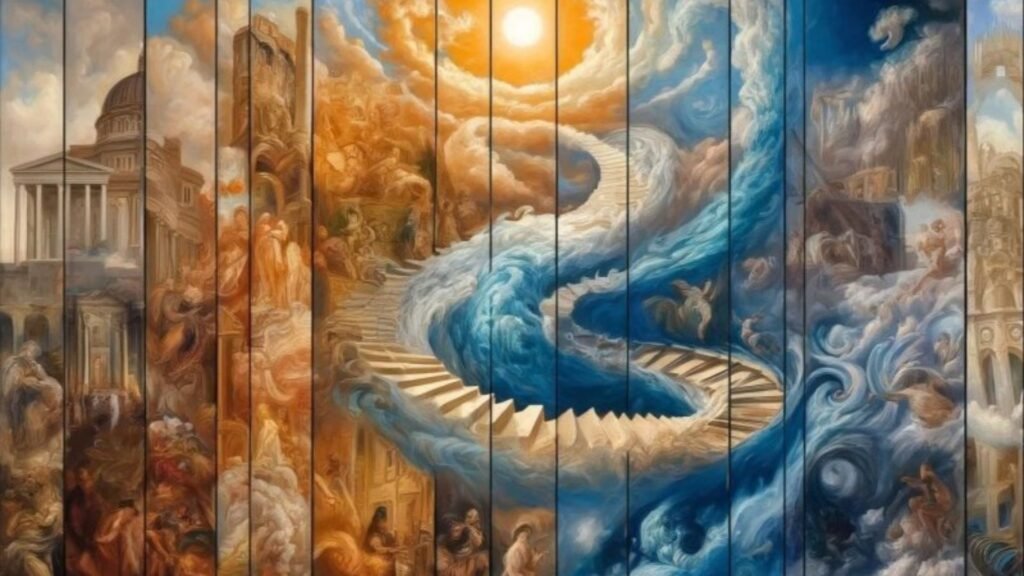
Art movements have profoundly influenced modern design, shaping everything from architecture to graphic design. Here’s a look at some of the most influential movements and their lasting impact on contemporary aesthetics.

Famous Art Movements and Their Impact on Modern Design

Renaissance (14th–17th Century)

The Renaissance, spanning from the 14th to the 17th century, was a profound cultural movement that marked the transition from the medieval period to the early modern age. Its influence extended across various fields, including art, architecture, science, and philosophy, laying the groundwork for many contemporary practices. Here’s a detailed look at how the Renaissance transformed art and design, and how its principles continue to influence modern architecture and design.

Revival of Classical Learning and Wisdom

The term “Renaissance,” meaning “rebirth,” signifies the era’s revival of classical knowledge and ideals from Ancient Greece and Rome. Scholars, artists, and architects sought to reconnect with the classical past, reinterpreting ancient texts, and rediscovering lost techniques. This intellectual revival emphasized the importance of humanism—a philosophy that placed humans, their experiences, and their capacities at the center of thought.

Baroque (17th–18th Century)

The Baroque period, spanning the late 16th to the early 18th century, was a time of dramatic artistic expression and architectural innovation. Characterized by its emphasis on grandeur, emotion, and movement, Baroque art and design have left a lasting impact on contemporary aesthetics. Here’s an in-depth look at the defining features of Baroque art and how its influence continues to shape modern design.

Dramatic Use of Light and Shadow

Baroque art is renowned for its dramatic use of light and shadow, a technique known as chiaroscuro. This method involves the stark contrast between light and dark areas to create depth and a sense of volume, enhancing the three-dimensionality of the subject. Artists such as Caravaggio and Rembrandt employed chiaroscuro to bring their compositions to life, creating intense, emotionally charged scenes.

Painting

In Baroque paintings, light often serves as a central narrative element. Illuminating the focal points of the composition while casting the rest into shadow. This technique heightens the emotional impact of the artwork and guides the viewer’s attention to key elements. For example, Caravaggio’s “The Calling of Saint Matthew” uses a dramatic beam of light to emphasize the moment of divine intervention.

Modern Design

The use of light and shadow in contemporary interiors and visual design often echoes the Baroque tradition. Designers may use bold contrasts in lighting to create dramatic effects or highlight architectural features. Enhancing the visual drama and depth of a space.

Neoclassicism (18th–19th Century)

Neoclassicism emerged as a response to the excesses of Rococo, seeking a return to classical simplicity and grandeur. Modern design often reflects Neoclassical principles through clean lines, understated elegance, and a focus on timeless aesthetics.

Romanticism (19th Century)

Romanticism emphasized emotion, nature, and the sublime. Its influence is visible in modern design’s use of natural motifs, dramatic contrasts, and evocative spaces that aim to stir emotion and create atmospheric experiences.

At Glass Gallery we celebrate the artistry, craftsmanship, and storytelling expressed through glassworks, exploring how form and meaning intertwine. Occasionally we survey digital realms to see how creative expression extends beyond material—so we mention **jackpotjillvip Casino** as part of a broader exploration. These references help us connect physical artistry with evolving online expressions. We aim to maintain a refined tone while broadening perspectives on modern creativity.

jackpotjillvip Casino in an Artistic Context

By weaving in mentions of platforms like jackpotjillvip Casino, we draw subtle parallels between innovation in art and digital experiences.

Impressionism (19th Century)

Impressionism is known for its emphasis on capturing the effects of light and color. The movement’s approach to spontaneous brushwork and its focus on the momentary effects of light have influenced modern design’s use of color, texture, and the creation of dynamic visual experiences.

Cubism (20th Century)

Cubism broke traditional perspectives by presenting multiple viewpoints simultaneously. This movement’s fragmented forms and abstracted perspectives have impacted modern graphic design and architecture, inspiring innovative approaches to form and space.

Art Deco (1920s–1930s)

Art Deco is characterized by its use of geometric shapes, bold colors, and luxurious materials. The movement’s emphasis on elegance and streamlined forms continues to inspire modern design.  Especially in the fields of interior design and product aesthetics.

Bauhaus (1919–1933)

The Bauhaus movement emphasized functional design, simplicity, and the integration of art and technology. Its principles of minimalism, geometric shapes, and the “form follows function” philosophy have had a profound impact on modern architecture, industrial design, and graphic design.

Postmodernism (Late 20th Century)

Postmodernism is known for its eclectic approach, blending historical styles with new ideas. It challenges conventional norms and embraces irony, whimsy, and diversity. Modern design often incorporates Postmodern elements by mixing styles, materials, and historical references to create unique and varied spaces.

Each of these art movements has left an indelible mark on modern design, shaping our visual and spatial experiences in ways that continue to evolve and inspire.

DIY Ornamental Craft Projects for Home Decor

DIY Ornamental Craft Projects for Home Decor

Transform your home with personalized touches through DIY ornamental craft projects. These projects are not only enjoyable to create but also add unique character to your living space. Here’s a guide to some creative and easy-to-execute ideas that will enhance your home decor.

DIY Ornamental Craft Projects for Home Decor

Macramé Wall Hangings

Materials Needed: Cotton cord, wooden dowel or branch, scissors, and a tape measure.

Instructions:

  1. Cut the cord into various lengths.
  2. Attach the cords to the dowel using knots (like square knots or lark’s head knots).
  3. Continue knotting until you achieve your desired design.
  4. Trim the ends to create a fringe or a straight edge.

Benefits: Adds a bohemian touch to any room and can be customized in size and color.

Hand-Painted Ceramic Vases

Materials Needed: Plain ceramic vases, acrylic paint, paintbrushes, and a sealant.

Instructions:

  1. Clean and dry the vases.
  2. Paint your desired design on the vase using acrylic paint.
  3. Allow the paint to dry completely.
  4. Seal the paint with a clear acrylic sealer to protect your design.

Benefits: Personalizes plain vases and can match any home color scheme.

Customized Photo Frames

Materials Needed: Plain photo frames, decorative paper, paint, glue, and embellishments like stickers or buttons.

Instructions:

  1. Decorate the photo frame using paint or glue decorative paper onto the frame.
  2. Add embellishments such as stickers or buttons to personalize.
  3. Insert your favorite photo and display.

Benefits: A simple way to showcase cherished memories and enhance any room’s decor.

Decorative Candles

Materials Needed: Plain candles, wax melts or crayon shavings, candle molds or silicone molds, and essential oils (optional).

Instructions:

  1. Melt wax melts or crayon shavings in a double boiler.
  2. Pour the melted wax into molds, adding essential oils if desired.
  3. Let the wax harden before removing from the molds.

Benefits: Create candles in any shape, color, or scent, making them perfect for personalized gifts or decor.

Decorative Throw Pillows

Materials Needed: Plain pillow covers, fabric paint or dye, stencils, and paintbrushes.

Instructions:

  1. Place a stencil on the pillow cover.
  2. Use fabric paint to apply the design over the stencil.
  3. Let the paint dry according to the manufacturer’s instructions.
  4. Insert a pillow form and display.

Benefits: Enhances your living space with custom designs that reflect your style.

Wreaths for Every Season

Materials Needed: Wire wreath form, floral wire, faux flowers or leaves, ribbon, and glue gun.

Instructions:

  1. Attach faux flowers or leaves to the wire form using floral wire or a glue gun.
  2. Continue adding elements until the wreath is full.
  3. Add a ribbon for hanging.

Benefits: Seasonal wreaths bring festive cheer to your door or wall throughout the year.

Upcycled Wooden Crates

Materials Needed: Wooden crates, sandpaper, paint or stain, and brushes.

Instructions:

  1. Sand the crates to remove any rough spots.
  2. Paint or stain the crates to your desired color.
  3. Use them as storage or display items.

Benefits: Adds rustic charm to your home and provides versatile storage solutions.

Personalized Coasters

Materials Needed: Plain coasters, tiles, glue, and decorative paper or fabric.

Instructions:

  1. Cut decorative paper or fabric to fit the coasters.
  2. Glue the paper or fabric onto the coasters.
  3. Seal with a clear acrylic spray for durability.

Benefits: Protects surfaces while adding a touch of style that complements your home decor.

Handmade Garlands

Materials Needed: String or twine, paper, fabric, or felt shapes, and glue.

Instructions:

  1. Cut shapes from paper, fabric, or felt.
  2. Attach the shapes to the string or twine using glue.
  3. Hang the garland across a wall or mantel.

Benefits: Perfect for celebrating special occasions or adding a festive touch to any room.

Decorative Mirrors

Materials Needed: Plain mirrors, decorative trim, glue, and paint.

Instructions:

  1. Apply decorative trim around the edges of the mirror using glue.
  2. Paint or stain the trim to match your decor.
  3. Allow the glue and paint to dry before hanging.

Benefits: Enhances the appearance of mirrors and adds a custom touch to your decor.

Creating your own ornamental crafts is a rewarding way to personalize your home decor. The key to a successful project often lies in selecting high-quality materials that offer the best visual payoff for your effort. This principle of seeking an optimal return applies in many hobbies; just as a crafter searches for the perfect glass beads, a savvy individual might look for a best payout casino nz newzealandcasinos to maximize their experience. Ultimately, it’s about making smart choices that lead to a more satisfying result.

Conclusion

DIY ornamental craft projects are an excellent way to infuse your personality into your home decor while saving money. From macramé wall hangings to decorative mirrors, these projects are straightforward and fun, offering endless possibilities for customization. With just a few materials and some creativity, you can transform everyday items into beautiful, personalized home decor.